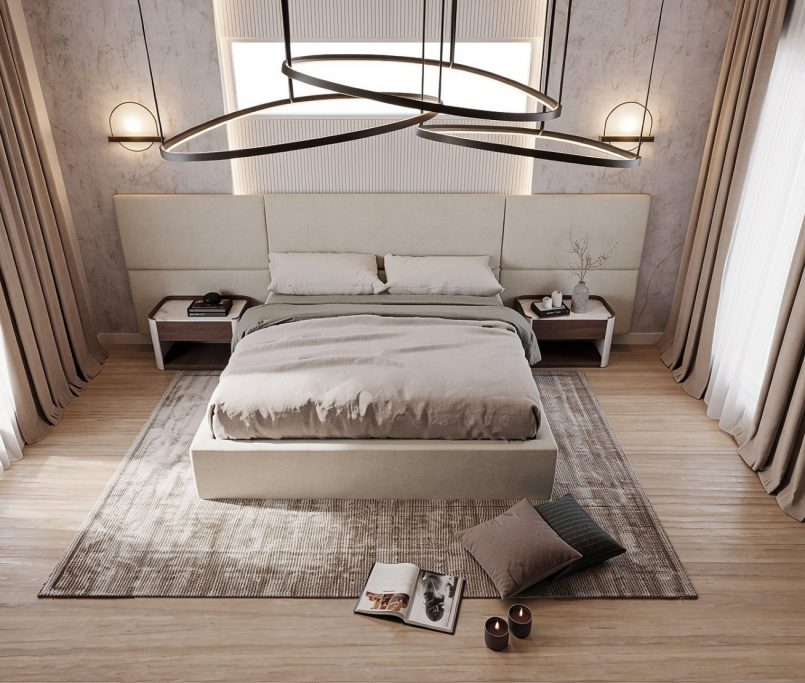
The topic of interior designer vs interior decorator is one of the most misunderstood subjects in the luxury design industry. While both professions focus on creating beautiful interiors, the level of technical expertise, project involvement, space planning, and construction coordination can differ significantly — especially in luxury residential, commercial, and hospitality design.
Understanding the difference between an interior designer and an interior decorator is especially important when planning a luxury home renovation, custom new construction, hospitality project, restaurant design, or high-end commercial interior.
At Contemporary LUX, a luxury modern interior design firm based in Atlanta, we believe exceptional interiors are created through a balance of architecture, functionality, atmosphere, and refined aesthetics. True interior design extends far beyond selecting furniture or décor — it shapes how people experience and interact with a space every day.
What Does an Interior Designer Do?
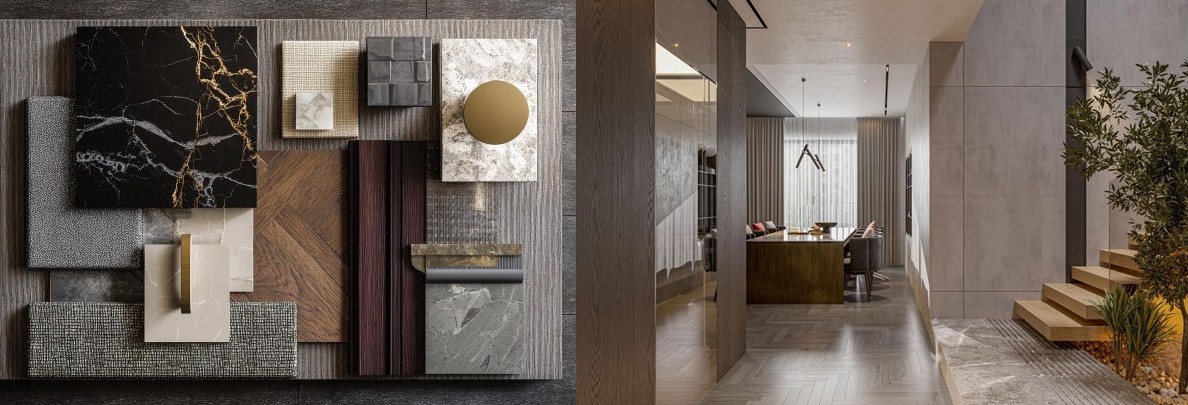
An interior designer is responsible for both the functionality and visual composition of an interior environment. Interior designers often collaborate with architects, contractors, engineers, fabricators, and vendors to create spaces that are not only beautiful but also technically and structurally cohesive.
Professional interior design services may include:
- Space planning
- Architectural detailing
- Construction documentation
- Material and finish selections
- Lighting design
- Kitchen and bathroom design
- Custom millwork and cabinetry
- Furniture and FF&E procurement
- Construction administration
- Site coordination
- Project management
- Photorealistic 3D renderings
Luxury interior designers focus on how a space functions, flows, and supports the lifestyle or business goals of the client.
For example, a luxury residential interior designer may redesign the layout of a home to improve circulation, maximize natural light, integrate custom storage solutions, and create a more elevated architectural experience.
In commercial and hospitality interiors, designers help shape guest experience, operational efficiency, branding, acoustics, lighting strategy, and customer interaction within the environment.
What Does an Interior Decorator Do?
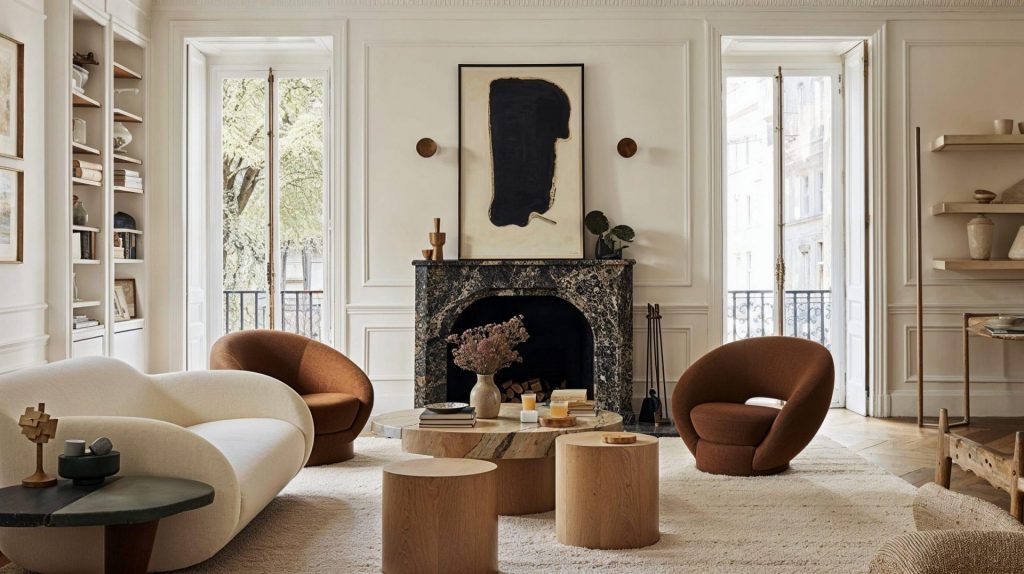
An interior decorator primarily focuses on the visual styling and furnishing of a completed space.
Interior decorating services often include:
- Furniture selection
- Decorative accessories
- Color palettes
- Artwork placement
- Window treatments
- Decorative lighting
- Styling and staging
- Textile selections
- Soft furnishings
Unlike interior designers, decorators generally do not create construction drawings, modify layouts, coordinate renovations, or manage technical planning.
A decorator may help refresh the appearance of a room, while an interior designer can transform the entire spatial and architectural experience of a property.
Both professions provide value, but the right choice depends on the complexity and goals of the project.
How Luxury Homes Require a More Technical Approach
In luxury residential design, the difference between interior design and interior decorating becomes even more significant.
High-end homes often require a comprehensive design approach involving:
- Custom architectural elements
- Integrated lighting systems
- Luxury material sourcing
- Bespoke millwork
- Spa-inspired bathrooms
- Smart-home integration
- Wellness-focused interiors
- Construction coordination
- Custom kitchens
- Detailed finish planning
Luxury interior design is deeply layered and highly intentional. Every finish, texture, proportion, lighting layer, and architectural detail contributes to the overall atmosphere and functionality of the home.
Interior decorating enhances aesthetics, while luxury interior design shapes the home at a foundational level.
At Contemporary LUX, we approach interiors as curated architectural experiences where comfort, functionality, sophistication, and emotional connection work together seamlessly.

Why High-End Renovation Projects Require an Interior Designer
Luxury renovation projects involve far more than selecting finishes or furniture.
A professional interior designer helps coordinate and oversee multiple layers of the renovation process, including:
- Construction drawings
- Space optimization
- Material specifications
- Contractor communication
- Custom fabrication
- Procurement management
- Permit coordination
- Budget planning
- Site supervision
- Installation coordination
Without proper planning, even visually attractive spaces can suffer from inefficient layouts, lighting issues, construction conflicts, or disconnected design elements.
An experienced interior designer helps create a cohesive vision while minimizing costly mistakes throughout the renovation process.
For homeowners investing in luxury renovations, full-service interior design provides a more organized, elevated, and intentional experience from concept through completion.
Commercial and Hospitality Interior Design Responsibilities
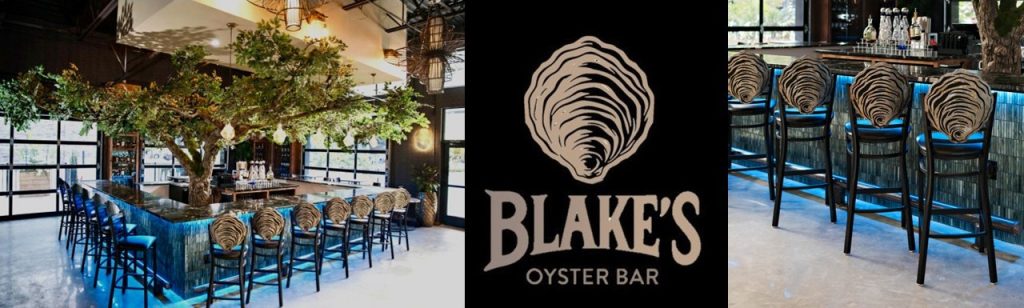
Commercial interior design and hospitality design require specialized expertise that goes far beyond decorating.
Hospitality interiors must balance:
- Aesthetics
- Brand identity
- Customer psychology
- Operational flow
- Durability
- Guest comfort
- Lighting strategy
- Seating optimization
- Spatial efficiency
Commercial and hospitality interior designers often oversee:
- Restaurant layouts
- Hospitality branding integration
- Commercial space planning
- ADA compliance
- Lighting design
- Material durability
- Vendor coordination
- Custom furniture design
- Feature installations
- Construction administration
Whether designing a luxury restaurant, wellness studio, boutique hospitality space, or modern commercial environment, interior design directly impacts how guests experience the space and interact with the brand.
Thoughtful hospitality interior design can elevate customer perception, improve functionality, and strengthen emotional connection to the environment.

When Should You Hire an Interior Designer Instead of a Decorator?
You should consider hiring an interior designer when your project involves:
- Renovations or remodeling
- New construction
- Space reconfiguration
- Kitchen or bathroom redesign
- Custom millwork
- Lighting planning
- Technical drawings
- Construction coordination
- Material specifications
- Luxury residential design
- Commercial or hospitality projects
- Turnkey project management
If your goal is mainly furnishing, styling, accessorizing, or visually refreshing an already completed room, an interior decorator may be sufficient.
However, for luxury projects where functionality, architectural detail, long-term investment value, and construction integration matter, working with an interior designer creates a far more comprehensive and elevated outcome. Understanding the difference between an interior designer vs interior decorator becomes especially important when planning luxury renovations, custom homes, hospitality interiors, or large-scale commercial projects.
How Contemporary LUX Approaches Luxury Interior Design
At Contemporary LUX, we believe luxury interior design should feel timeless, intentional, and emotionally engaging.
Based in Atlanta, our studio specializes in:
- High-end residential interiors
- Luxury commercial design
- Hospitality interiors
- Restaurant design
- Wellness and spa interiors
- Turnkey interior design services
- Luxury renovations
- Photorealistic 3D renderings
- Construction administration
Our process combines:
- Modern architectural aesthetics
- Sophisticated material selections
- Functional spatial planning
- Custom detailing
- Curated furnishings
- Technical precision
- Construction administration
- Elevated client experience
We collaborate closely with homeowners, developers, restaurateurs, and hospitality clients to create interiors that feel refined, immersive, and highly personalized.
Rather than simply decorating spaces, we design environments that support lifestyle, functionality, atmosphere, and long-term value through thoughtful architectural and interior design solutions.
Frequently Asked Questions About Interior Designers and Interior Decorators
What is the difference between an interior designer and an interior decorator?
An interior designer focuses on both the functionality and aesthetics of a space, often handling renovations, space planning, lighting design, construction coordination, and architectural detailing. An interior decorator primarily focuses on furniture, styling, color palettes, and decorative finishes.
Can an interior decorator renovate a home?
Interior decorators typically do not manage structural renovations, technical drawings, or construction planning. Luxury renovations usually require a professional interior designer who can coordinate with contractors, architects, and vendors throughout the project.
Do interior designers work with contractors?
Yes. Interior designers frequently collaborate with contractors, architects, fabricators, and engineers to ensure the project is executed according to design intent, construction requirements, and material specifications.
Is hiring an interior designer worth it for a luxury home?
Hiring an interior designer for a luxury home can improve functionality, material quality, project coordination, lighting strategy, space optimization, and long-term property value while creating a more cohesive and elevated final result.
What does full-service interior design include?
Full-service interior design may include space planning, material selections, lighting design, furniture procurement, construction administration, project management, custom millwork, procurement coordination, and installation oversight.
Does Contemporary LUX offer commercial and hospitality interior design?
Yes. Contemporary LUX specializes in luxury residential, commercial, hospitality, restaurant, and wellness interior design projects with a focus on modern architectural aesthetics, luxury renovations, and turnkey design services.
When should I hire an interior designer instead of a decorator?
You should hire an interior designer vs interior decorator when your project involves renovations, construction, layout changes, custom detailing, technical planning, or luxury project coordination. Decorators are generally best suited for furnishing and styling completed spaces.
What makes luxury interior design different from standard interior decorating?
Luxury interior design combines architecture, functionality, craftsmanship, spatial planning, construction coordination, custom detailing, and elevated materials to create highly curated and personalized environments that go beyond aesthetics alone.